

Mushrooms are one of the most underrated ingredients in the kitchen. For beginners, they can feel a little intimidating, soft, earthy, and mysterious compared to familiar vegetables. But once you understand how to choose, prepare, and cook them properly, mushrooms can become one of your most versatile and rewarding ingredients.
Whether you’re cooking your first mushroom dish or trying to improve your results, this guide will walk you through everything you need to know from selecting the right mushrooms to mastering basic cooking techniques. By the end, you’ll feel confident turning mushrooms into delicious meals instead of soggy disappointments.
Mushrooms are incredibly forgiving. They don’t require complicated seasoning, they cook quickly, and they adapt to almost any cuisine desi, continental, Asian, or fusion. They also offer a deep umami flavor that adds richness to dishes without needing heavy sauces or meat.

For beginners, mushrooms are a great way to:
Before you start cooking, it helps to understand what mushrooms actually are. Mushrooms are fungi, not vegetables, and they behave differently in heat. They contain a lot of water, which means how you cook them determines whether they turn golden and flavorful or watery and bland.
If you’re just starting out, stick to these easy and widely available types:
White button mushrooms are ideal for beginners because they cook evenly and pair well with most ingredients.
Buying good mushrooms is the first step toward a good dish.

Fresh mushrooms should smell mild and earthy, never sour or fishy.
One of the biggest beginner mistakes is washing mushrooms incorrectly.
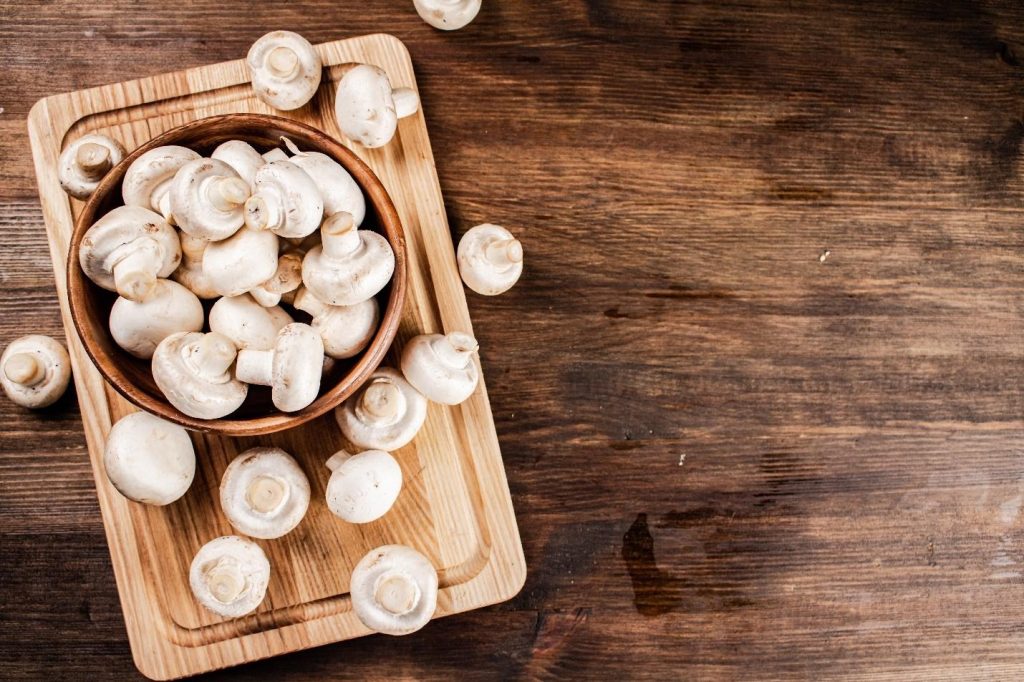
Mushrooms absorb water easily. Soaking them for too long can make them soggy and prevent browning during cooking.
Avoid soaking mushrooms in water unless a recipe specifically calls for it and even then, keep it brief.
Before cooking, prep your mushrooms properly:
Sautéing is the easiest and most effective way to cook mushrooms.

Common Mistake: Overcrowding the pan, which causes steaming instead of browning.
Roasting mushrooms concentrates their flavor and creates a slightly crispy texture.
Roasted mushrooms are perfect for salads, wraps, or as a side dish.
Great for Asian-style dishes.

Portobello mushrooms shine on the grill.

Mushrooms naturally contain umami, so they don’t need heavy seasoning.
Add salt later in the cooking process to avoid excess water release.
Mushrooms work beautifully with:
They can replace meat in many dishes or act as a supporting ingredient.
Fix: Use high heat and avoid overcrowding.
Fix: Don’t stir too often; let mushrooms sit.
Fix: Add aromatics and finish with herbs or butter.
Fix: Don’t overcook mushrooms cook quickly.
A classic starter recipe that teaches sautéing and seasoning.
Perfect for breakfast and quick meals.
Teaches sauce-building and texture control.
Builds confidence with high-heat cooking.
Proper storage keeps mushrooms fresh and flavorful longer.
Mushrooms are:
They add volume and flavor without heaviness, making them ideal for balanced meals.

The more you cook mushrooms, the more intuitive they become. Start simple, observe how they behave in heat, and don’t be afraid to experiment. Mushrooms are incredibly flexible mistakes are easy to fix, and successes are deeply satisfying.
Cooking with mushrooms doesn’t require advanced skills just a little understanding and patience. Once you learn how to clean them properly, cook them at the right heat, and season them thoughtfully, mushrooms can transform even the simplest dish into something special.
For beginners, mushrooms are not just an ingredient they’re a learning tool. They teach timing, texture, and flavor balance in a way few other foods can. So grab a pan, heat it up, and let mushrooms surprise you.


