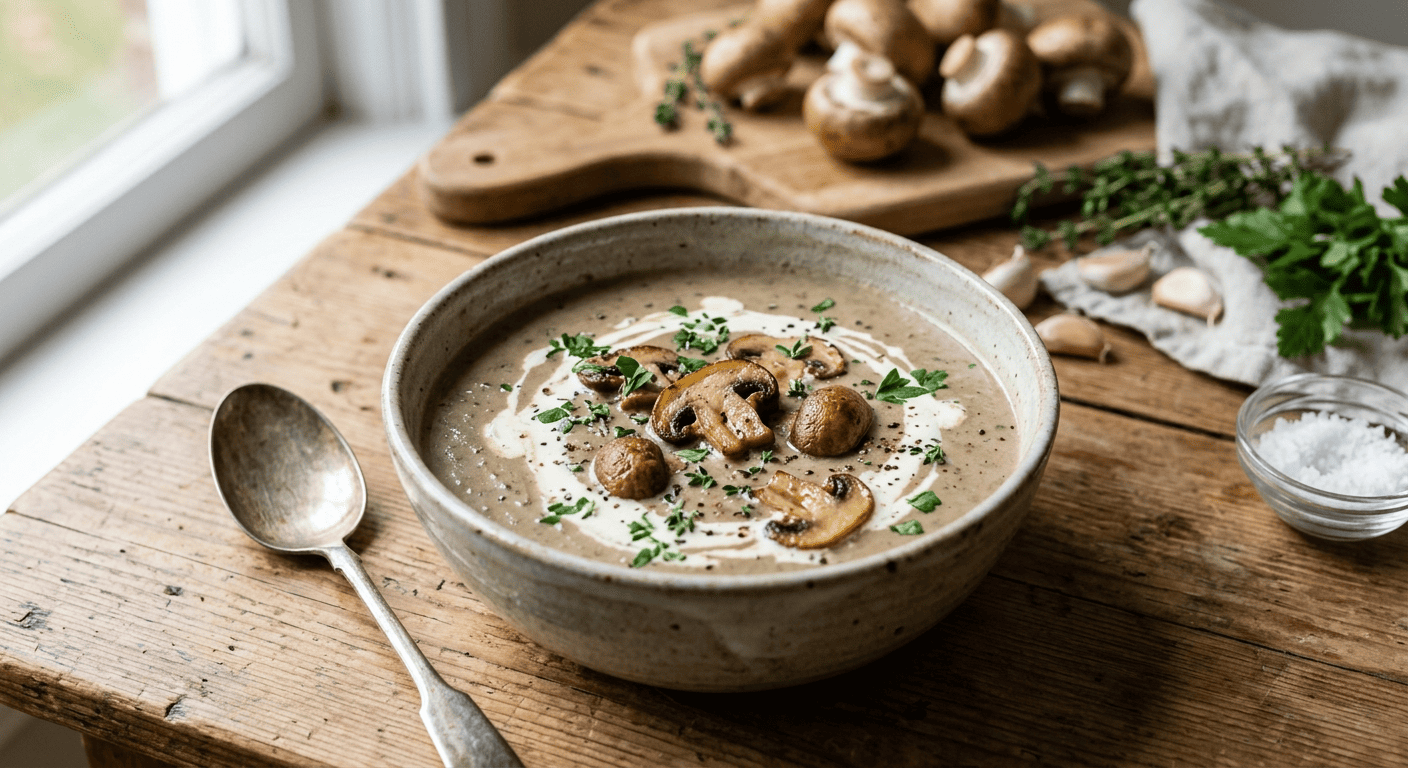
As more people embrace plant based diets for health, environmental, and ethical reasons, the search for satisfying, nutritious alternatives to meat has intensified. Among all the ingredients available to plant based cooks, mushrooms stand out as truly exceptional. They deliver a combination of flavor, texture, and nutrition that few other plants can match. Whether you are a lifelong vegan or simply trying to eat less meat, mushrooms deserve a prominent place in your kitchen.
One of the biggest challenges in plant based cooking is replicating the deep, savory satisfaction that meat provides. This quality, known as umami, comes from glutamates and nucleotides that signal richness and savoriness to the palate. Mushrooms are one of the most concentrated natural sources of umami available in the plant kingdom. Dried mushrooms, especially porcini and shiitake, contain extraordinarily high levels of these flavor compounds, making them indispensable for creating broths, sauces, and stews that taste deeply satisfying without a drop of meat stock. Even fresh mushrooms add a savory depth to dishes that raw vegetables simply cannot replicate.
Beyond flavor, mushrooms offer a meaty, chewy texture that provides the physical satisfaction many people associate with eating meat. Large portobello caps, when grilled or roasted, develop a dense, juicy bite that makes them a natural centerpiece for burgers, steaks, and fillets. King oyster mushrooms, sliced and seared, mimic the texture of scallops with remarkable accuracy. Shredded oyster mushrooms, when cooked with the right seasonings, produce pulled pork like results that have convinced even committed meat eaters. This textural versatility means mushrooms can fill roles across breakfast, lunch, and dinner without ever feeling repetitive or monotonous.
Mushrooms are far more nutritious than their modest appearance suggests. They are one of the few plant foods that naturally contain vitamin D, especially when exposed to sunlight during growing. This makes them particularly valuable for plant based eaters who may otherwise struggle to meet their vitamin D needs. Mushrooms are also a good source of B vitamins including riboflavin, niacin, and pantothenic acid, which support energy metabolism and nervous system function. They provide selenium, an important antioxidant mineral, as well as potassium, copper, and zinc. Unlike most plant foods, certain mushrooms contain ergothioneine, a unique antioxidant that accumulates in tissues throughout the body and is associated with long term health protection.
The substitution possibilities of mushrooms in plant based cooking are virtually limitless. Ground mushrooms combined with lentils or walnuts create a satisfying bolognese that holds its own against the original. Diced cremini mushrooms replace ground beef in tacos, nachos, and chili with outstanding results. Whole mushroom caps serve as vessels for stuffing, replacing the role of chicken or turkey breast in elegant dinner preparations. Dried and powdered mushrooms act as a flavor booster in marinades, spice rubs, and soups, functioning similarly to the way bone broth enriches meat based cooking. The key is choosing the right variety for the application and treating the mushrooms with the same care and technique you would apply to any protein.
Mushrooms are one of the most environmentally sustainable foods available. They require very little water to grow, produce minimal greenhouse gas emissions, and can often be cultivated on agricultural byproducts like straw and sawdust. Compared to animal agriculture, mushroom farming has an extraordinarily small ecological footprint. Knowing the mushroom price in Pakistan also reveals how affordable and accessible this sustainable ingredient already is for everyday home cooks across the region. For environmentally conscious eaters, incorporating more mushrooms into the diet is one of the easiest and most delicious ways to reduce the environmental impact of food choices.
Perhaps the greatest gift mushrooms offer plant based cooks is inspiration. Their diversity, from the elegant delicacy of chanterelles to the bold intensity of dried morels, provides endless opportunities for exploration. Each variety has its own personality, seasonal character, and ideal cooking method, keeping plant based cooking fresh and exciting rather than repetitive. Mushrooms bridge traditional cuisines from East Asia to Europe and the Americas, giving cooks access to a global pantry of flavors and techniques. For anyone committed to making plant based eating a sustainable, enjoyable lifestyle, mushrooms are not merely a substitute for meat. They are a world unto themselves.