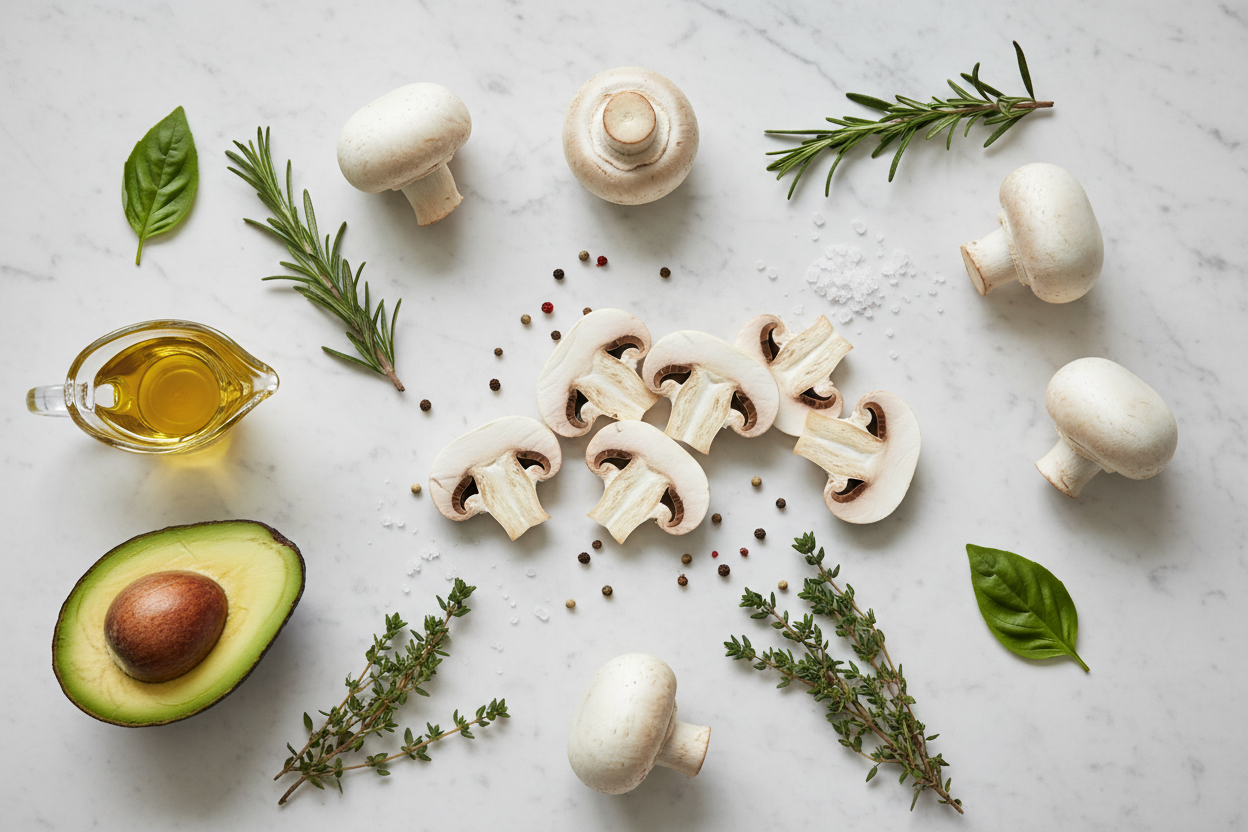
A truly great mushroom soup is one of the most deeply satisfying things you can make in a kitchen. At its best, it is rich, velvety, and fragrant with earthy, savory depth that warms you from the inside out. At its worst, it is thin, bland, and forgettable. The difference between these two outcomes lies in understanding a few key principles: choosing the right mushrooms, building layers of flavor, and knowing when to blend and when to leave texture. This guide will walk you through every step of making mushroom soup that you will be proud to serve.
The foundation of any mushroom soup is the mushrooms themselves, and the variety you choose will define the character of the final dish. Button mushrooms are affordable and widely available but lack the depth of flavor that makes a soup truly memorable. Cremini mushrooms offer a richer, earthier taste and are an excellent everyday choice. Knowing the mushroom price in Pakistan for each variety will help you decide which combination fits your budget without sacrificing the robust flavor that makes a great soup. For maximum complexity, combining dried porcini with fresh cremini or shiitake mushrooms creates incredible depth. The dried mushrooms reconstitute in water to produce a dark, intensely flavored liquid that becomes the backbone of your broth.
Every exceptional mushroom soup begins with a properly built aromatic base. Start by melting butter or warming olive oil in a heavy bottomed pot over medium heat. Add finely diced onion and cook slowly, stirring occasionally, for at least 8 to 10 minutes until fully softened and beginning to turn golden. Add minced garlic and fresh thyme leaves and cook for another minute until fragrant. This patient cooking of aromatics is not a step to rush. The sugars in the onion caramelize gently, developing a sweet savory complexity that underpins the entire soup. Now add your mushrooms in batches, making sure not to crowd the pan, and cook them until they release their liquid and that liquid evaporates, leaving behind deeply browned, concentrated mushroom flavor.
The liquid you use to build your mushroom soup matters enormously. A good quality vegetable stock or chicken stock will produce a far better result than water alone, providing additional body and savory depth. If you have used dried mushrooms, add the soaking liquid to the pot after pouring it carefully through a fine sieve to remove any grit. This dark, intensely flavored liquid is liquid gold for a mushroom soup. Add a splash of dry sherry or dry white wine and let it bubble away before adding the stock. The alcohol carries aromatic compounds that elevate the overall flavor in ways that are subtle but unmistakably noticeable. Simmer everything together gently for 20 minutes to allow the flavors to meld.
One of the most important decisions in mushroom soup making is how much to blend the final product. A fully blended soup becomes smooth, silky, and elegant, ideal for dinner parties or when you want something refined. A partially blended soup, where you blend half and leave the rest chunky, offers a satisfying combination of velvety texture and substantial bites of mushroom. A completely unblended soup, with all its rustic texture, feels hearty and satisfying in a different way, more like a stew than a cream soup. There is no single right answer. The best approach is to consider the occasion and your personal preference. For a luxurious cream of mushroom, blend the whole batch with a generous pour of heavy cream or coconut cream and season assertively with salt and white pepper.
The final seasoning and garnishing of mushroom soup separates a good soup from a great one. Taste carefully at the end of cooking and adjust salt, pepper, and acidity. A squeeze of fresh lemon juice brightens the entire bowl and lifts the earthy heaviness. A drizzle of truffle oil over a finished bowl of cream of mushroom soup adds a luxurious, aromatic dimension. Crispy fried shallots or breadcrumbs provide welcome textural contrast. A sprig of fresh thyme, a few drops of cream swirled across the surface, or a scattering of sauteed mushroom slices reserved before blending all make the presentation as beautiful as the taste. Serve immediately with crusty bread for the complete experience.
Mushroom soup stores beautifully and often tastes even better the next day as the flavors deepen and meld. Store it in an airtight container in the refrigerator for up to four days, or freeze for up to three months. When reheating, do so gently over low to medium heat, stirring frequently to prevent scorching. If the soup has thickened in storage, thin it with a little stock or water until it reaches your desired consistency. Avoid boiling cream based mushroom soups during reheating, as high heat can cause the cream to separate and the texture to become grainy. A brief warm through is all that is needed to bring it back to its full glory.